Mones
Sorry, this article is only in Czech.
Sorry, this article is only in Czech.


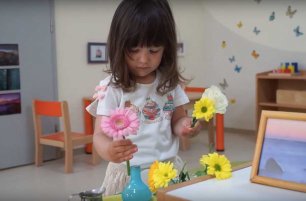
Check out our video made by the International Montessori School of Prague community! We are happy to share our vision for Montessori education with all. It features our inspiring students, teachers, school leadership, alumni and parents. Let us know what you think!
Read more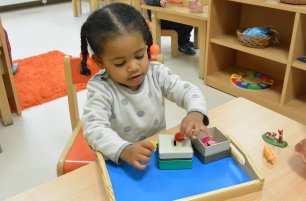
Every morning, with any luck, a very enthusiastic and volume‑charged toddler and I make the 45 min…
Read more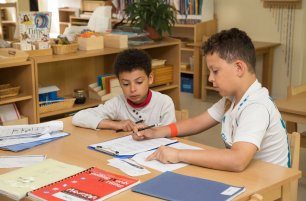
It is no surprise to hear parents expressing doubts about a multi-age classroom, and questioning how children of different ages could work together harmoniously in the same environment, and if there are any benefits to this approach.
Read more
Join us as our host, Mariana Bečková, interviews Hubert Kobr on this week’s edition of the IMSP alumni podcast. Born in the Czech Republic, Hubert attended IMSP until beginning an IB program in a traditional Czech school. Discussing his education after Montessori, he shares how IMSP’s English-language curriculum prepared him to take on such a rigorous academic plan.
Read more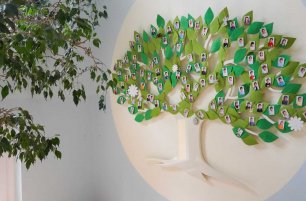
We're excited to celebrate 20 years since IMSP first opened its doors to the Prague community. Two decades spent working with parents, teachers, and staff that share our same passion for holistic education is something we’re proud of. The Montessori method is community-driven, and as we look back on our achievements so far, we want to take time to thank the people that made it all possible.
Read more