Mones
Sorry, this article is only in Czech.
Sorry, this article is only in Czech.


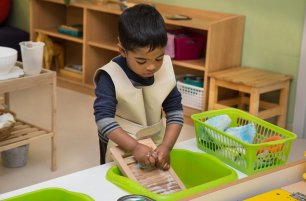
“The first thing to realize about these exercises of practical life is that their aim is not a practical one. Emphasis should be laid not on the word “practical” but on the word life. Their aim is to assist development.” E. M. Standing, Maria Montessori: Her Life and Work
Read more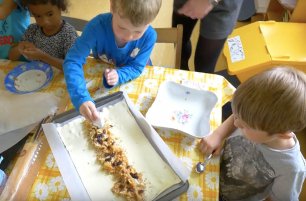
Food Preparation activities are very popular in a Montessori classroom. Not only do children enjoy eating food they’ve prepared themselves, but they learn skills throughout the process.
Read more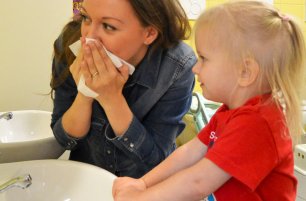
In our classrooms, we take every opportunity to teach our students how they can independently take care of themselves throughout the day.
Read more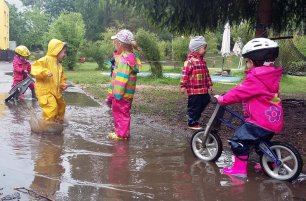
April showers bring May flowers... here we are in the blustery, chilly beginnings of Spring. It is a time of much anticipation as the first leaves and flowers appear, but also often much frustration for parents as seemingly endless mud, rain and puddles interfere with outside play.
Read more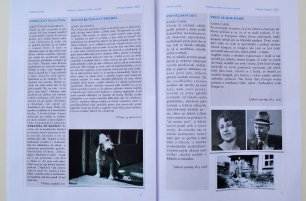
Introducing IMSP’s LIDOVÉ NOVINY, a Czech-language newspaper written, edited, and assembled by our Upper Elementary students. This project was inspired by renowned Czech writer Karel Čapek. Čapek, best known for inventing the word „robot“, was beloved for his versatile and multi-genre pieces. Bouncing between modern fairytales, short stories, travel-logs, and biographical work, Čapek also had a particular affinity for the feuilleton, a short newspaper essay designed, not only to inform the reader, but to amuse them as well.
Read more