Mones
Sorry, this article is only in Czech.
Sorry, this article is only in Czech.


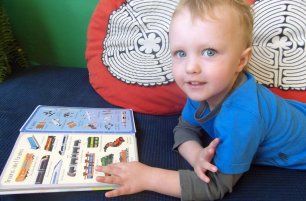
A picture is the first content of a book that a child can „read“. Thanks to pictures, a child can understand a story without knowing how to read, interpreting the main figures/animals, the environment, and the situations from the visuals. From illustrated facial expressions and body language the child can also tell emotions. Enjoying a good book raises a love and passion that is necessary for prereading skills.
Read more
Tantrums and difficult transitions are two of the trickiest challenges parents face with toddlers. Even the most predictable schedules can sometimes lead to moments of overwhelm for your child, leaving you searching for ways to respond effectively. The good news is, with a little creativity and some gentle adjustments to your routine and environment, you can reduce these moments of frustration and help your toddler navigate them more smoothly.
Read more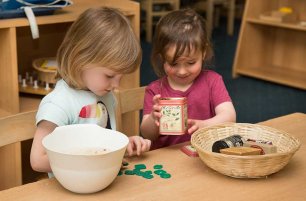
Have you ever noticed the mixed-age classrooms in a Montessori school and wondered why? This is a specific design that allows younger children to benefit from having older peers as role models and mentors and enables older children to step into leadership roles. This model mirrors real-world experiences where people of different ages work together and learn from each other.
Read more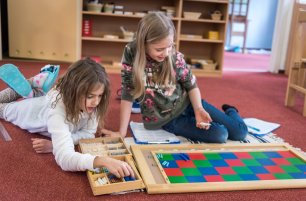
“To give a child liberty is not to abandon him to himself."
Read more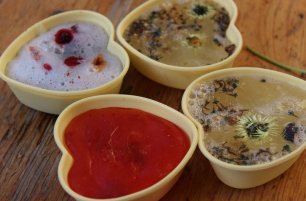
All you will need is 100g of soap, rubber molds, turmeric powder, lemon or orange essential oils, fresh lemon or orange, and a grater or zester.
Read more