Mones
Sorry, this article is only in Czech.
Sorry, this article is only in Czech.


It's beginning to look a lot like winter - with first frosts and early dark, but also bright twinkling lights and seasonal decorations wherever you look. Is it any wonder that we populate the long, cold nights of December with candle light, evergreens and the smells of a myriad festive treats? So many delicious flavours belong firmly at the close of the year - hot chocolate and sweet tea, spiced pies, delicate cookies and savoury roasts, all keeping us cozy and warm as well as full.
Read more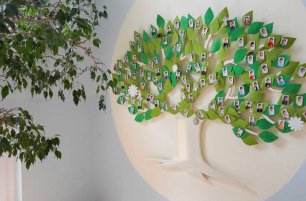
We're excited to celebrate 20 years since IMSP first opened its doors to the Prague community. Two decades spent working with parents, teachers, and staff that share our same passion for holistic education is something we’re proud of. The Montessori method is community-driven, and as we look back on our achievements so far, we want to take time to thank the people that made it all possible.
Read more
Summer is the perfect time for trips and outings. A backpack of their very own is a great gift for an older toddler or a pre-schooler: It builds their independence and confidence as they actively participate in preparing for each trip, and then carry their necessities by themselves.
Read more
“Life can become much easier, simply by changing the words that we use” - Alicia Eaton, AMI Montessori Teacher and Child behavioral specialist
Read more
As teachers, we are often asked what special tips or tricks we use to get children to cooperate. Most often parents ask questions like “How can I get my child more interested in dressing and eating by themselves?”or “How can we make the mornings run more smoothly?” It can feel challenging when our patience is tested, but we must remember that children are learning to develop their own will and sense of obedience which is a natural process lasting until around six years of age.
Read more