Mones
Sorry, this article is only in Czech.
Sorry, this article is only in Czech.


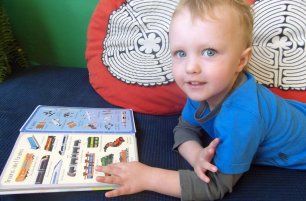
A picture is the first content of a book that a child can „read“. Thanks to pictures, a child can understand a story without knowing how to read, interpreting the main figures/animals, the environment, and the situations from the visuals. From illustrated facial expressions and body language the child can also tell emotions. Enjoying a good book raises a love and passion that is necessary for prereading skills.
Read more
I’m back again with more book recs! As an educator, I often turn to books to help answer difficult questions or to start a conversation about a challenging situation.
Read more
Join us as our host, Mariana Bečková, interviews Anna Šlégrová on this week’s edition of the IMSP alumni podcast. Reflecting on what made her Montessori experience stand out, Anna stresses IMSP’s personal touch. Teachers, Mariana and Anna share, take time to get to know their students, encouraging them to pursue their passions. Now studying at the University of Bath, Anna shares how growing up in IMSP’s international environment empowered her to pursue higher education abroad.
Read more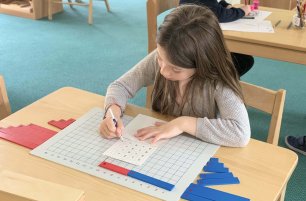
Maria Montessori often stated that not only does every human being have an innate drive to understand the environment around them, we all also naturally have what she called a “Mathematical Mind”. In the Montessori classroom, mathematical learning begins through indirect preparation long before a child is ever introduced to any Math materials.
Read more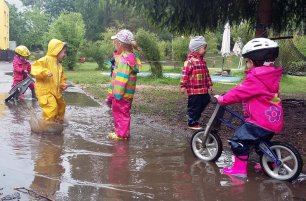
April showers bring May flowers... here we are in the blustery, chilly beginnings of Spring. It is a time of much anticipation as the first leaves and flowers appear, but also often much frustration for parents as seemingly endless mud, rain and puddles interfere with outside play.
Read more