Mones
Sorry, this article is only in Czech.
Sorry, this article is only in Czech.


April showers bring May flowers... here we are in the blustery, chilly beginnings of Spring. It is a time of much anticipation as the first leaves and flowers appear, but also often much frustration for parents as seemingly endless mud, rain and puddles interfere with outside play.
Read more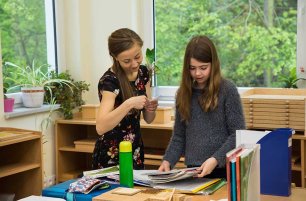
The fundamental aim of Montessori education is to help children become fully-fledged citizens of the world. How do we achieve something so monumental?
Read more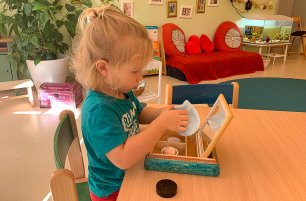
In Montessori education, we often speak about independence. Helping raise children into confident adults is a priority for all of us – but why is independence so important and how do we nurture it in even our youngest learners?
Read more
At IMSP we are fortunate enough to have access to a forest right on our doorstep. This offers invaluable opportunities for our toddlers to explore the natural world with the support of their guides. Interaction with the natural environment provides mental and physical health benefits for children and adults alike and allows children to be inspired by the world around them, away from their usual home or classroom environments.
Read more
What is a motto that you live by? When I was young, my dad often reminded me: “Always do your best.” In the same way, what I often try to keep in mind is "Do what you can, where you are, with what you have."
Read more