Mones
Sorry, this article is only in Czech.
Sorry, this article is only in Czech.


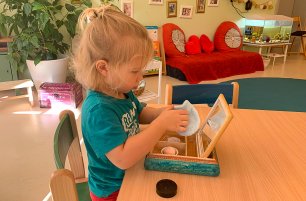
In Montessori education, we often speak about independence. Helping raise children into confident adults is a priority for all of us – but why is independence so important and how do we nurture it in even our youngest learners?
Read more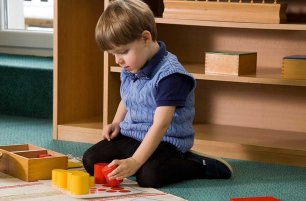
The materials in the Sensorial area of the Montessori classroom are quite unique – they speak to the tactile observer in all of us. When you consider the way humans take in information, you realize how often we use more than one sense to explore. Maria Montessori’s work in the Sensorial environment was designed to take advantage of this tendency. Today, I will discuss the materials featured in the Children’s House classroom (ages 3-6).
Read more
It’s our pleasure to introduce you to this week’s guest on the IMSP podcast series: Diana Peštová. Born and raised in the Czech Republic, Diana now studies language and culture at the University of Amsterdam. Diana catches up with our host, Mariana, as she reflects on how IMSP helped her to think outside of the box. Passionate about writing, singing, and acting, Diana shares how Montessori education allowed her to explore her interests at her own pace.
Read more
“At IMSP, we were always taught how to speak to people, to be mindful, to listen to one another, and that really helped when it came to making new friends. Once you have friends, everything else is simple. Everything else, you can figure out.
Read more
“Social and emotional learning(SEL) is the process through which children and adults understand and manage emotions, set and achieve positive goals, feel and show empathy for others, establish and maintain positive relationships, and make responsible decisions.”
Read more