Mones
Sorry, this article is only in Czech.
Sorry, this article is only in Czech.


How to handle toilet training? It’s often considered one of the first big parenting “tasks,” and can bring a lot of anxiety and frustration. But it doesn’t have to! In Montessori Infant and Toddler classrooms, we use a time-tested and practical approach to toilet training that is (dare I say it) easy on both parents and children.
Read more
“The thing that IMSP really contributed the most to me would be developing my curiosity. Just, letting me as a kid explore my own world in my own way,“
Read more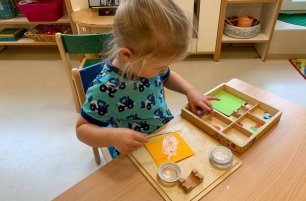
It has always been my priority to bring my kids up to be independent and curious and to treat them as my equal, if somewhat smaller in size; Montessori education therefore held a great appeal when it came to choosing a kindergarten. It has been six months since my daughter, who is just about to turn three, started attending IMSP and it is a joy and a privilege to observe how she thrives and develops.
Read more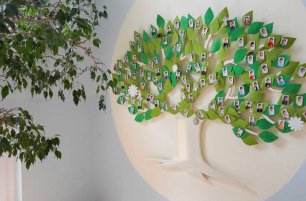
We're excited to celebrate 20 years since IMSP first opened its doors to the Prague community. Two decades spent working with parents, teachers, and staff that share our same passion for holistic education is something we’re proud of. The Montessori method is community-driven, and as we look back on our achievements so far, we want to take time to thank the people that made it all possible.
Read more
If you’re interested in kids activities or events happening in Prague during the coming weekend or through the year, check out the website of our partner - www.littlepanda.cz.
Read more