Mones
Sorry, this article is only in Czech.
Sorry, this article is only in Czech.


Food Preparation activities are very popular in a Montessori classroom. Not only do children enjoy eating food they’ve prepared themselves, but they learn skills throughout the process.
Read more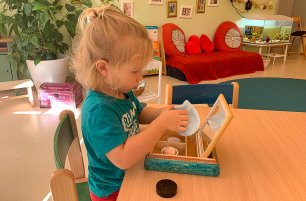
In Montessori education, we often speak about independence. Helping raise children into confident adults is a priority for all of us – but why is independence so important and how do we nurture it in even our youngest learners?
Read more
We're excited to celebrate 20 years since IMSP first opened its doors to the Prague community. Two decades spent working with parents, teachers, and staff that share our same passion for holistic education is something we’re proud of. The Montessori method is community-driven, and as we look back on our achievements so far, we want to take time to thank the people that made it all possible.
Read more
We are thrilled to announce that IMSP has officially joined the Roots & Shoots program in Czechia! This exciting collaboration, led by our dedicated team member, Irena Andělová, marks a significant new chapter in our school’s commitment to nurturing confident, compassionate, and engaged global citizens.
Read more
“The first thing to realize about these exercises of practical life is that their aim is not a practical one. Emphasis should be laid not on the word “practical” but on the word life. Their aim is to assist development.” E. M. Standing, Maria Montessori: Her Life and Work
Read more