Mones
Sorry, this article is only in Czech.
Sorry, this article is only in Czech.


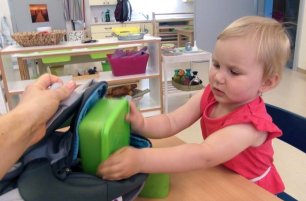
Summer is the perfect time for trips and outings. A backpack of their very own is a great gift for an older toddler or a pre-schooler: It builds their independence and confidence as they actively participate in preparing for each trip, and then carry their necessities by themselves.
Read more
“I wanted to secure the best possible education for my children”
Read more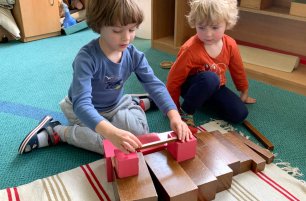
Have you ever noticed that your child enjoys singing the same song over and over again, or wants you to repeat the same story for what feels like a million times? Dr. Montessori highlighted the importance of sensitive periods in children, which are known as windows of opportunities for children to develop skills, including movement, language and most definitely, order. A child’s need for external order is present as early as childbirth and peaks in their second year, before fading at about the age of 5. This period of development helps a child to develop a connection between themselves and the world, process information and overcome challenges.
Read more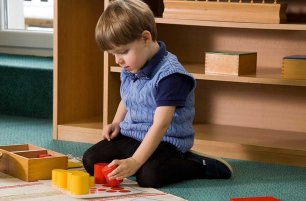
The materials in the Sensorial area of the Montessori classroom are quite unique – they speak to the tactile observer in all of us. When you consider the way humans take in information, you realize how often we use more than one sense to explore. Maria Montessori’s work in the Sensorial environment was designed to take advantage of this tendency. Today, I will discuss the materials featured in the Children’s House classroom (ages 3-6).
Read more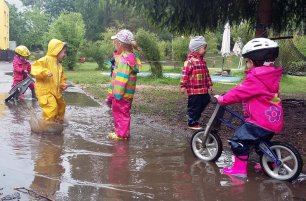
April showers bring May flowers... here we are in the blustery, chilly beginnings of Spring. It is a time of much anticipation as the first leaves and flowers appear, but also often much frustration for parents as seemingly endless mud, rain and puddles interfere with outside play.
Read more