Mones
Sorry, this article is only in Czech.
Sorry, this article is only in Czech.


Tantrums and difficult transitions are two of the trickiest challenges parents face with toddlers. Even the most predictable schedules can sometimes lead to moments of overwhelm for your child, leaving you searching for ways to respond effectively. The good news is, with a little creativity and some gentle adjustments to your routine and environment, you can reduce these moments of frustration and help your toddler navigate them more smoothly.
Read more
As teachers, we are often asked what special tips or tricks we use to get children to cooperate. Most often parents ask questions like “How can I get my child more interested in dressing and eating by themselves?”or “How can we make the mornings run more smoothly?” It can feel challenging when our patience is tested, but we must remember that children are learning to develop their own will and sense of obedience which is a natural process lasting until around six years of age.
Read more
How do we encourage peacefulness and respect in the Montessori classroom? Together with the children, we prepare a blueprint for our classroom community!
Read more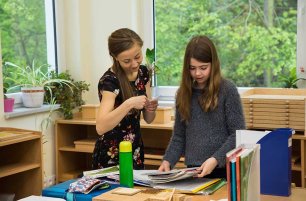
The fundamental aim of Montessori education is to help children become fully-fledged citizens of the world. How do we achieve something so monumental?
Read more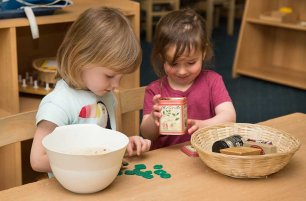
Have you ever noticed the mixed-age classrooms in a Montessori school and wondered why? This is a specific design that allows younger children to benefit from having older peers as role models and mentors and enables older children to step into leadership roles. This model mirrors real-world experiences where people of different ages work together and learn from each other.
Read more