Mones
Sorry, this article is only in Czech.
Sorry, this article is only in Czech.



Who doesn’t love a dinner date? There is something so universally appealing about sharing a meal with your loved one: eating delicious foods whilst engaging in conversation and enjoying each other’s company.
Read more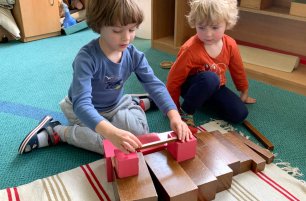
Have you ever noticed that your child enjoys singing the same song over and over again, or wants you to repeat the same story for what feels like a million times? Dr. Montessori highlighted the importance of sensitive periods in children, which are known as windows of opportunities for children to develop skills, including movement, language and most definitely, order. A child’s need for external order is present as early as childbirth and peaks in their second year, before fading at about the age of 5. This period of development helps a child to develop a connection between themselves and the world, process information and overcome challenges.
Read more
Maria Montessori used to walk through the forests in India pulling leaves from trees to teach about their function and structure, digging in the soil to demonstrate the ubiquitousness of life, examining root systems and connecting them to academic ideas.
Read more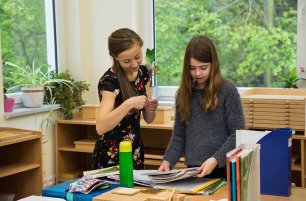
The fundamental aim of Montessori education is to help children become fully-fledged citizens of the world. How do we achieve something so monumental?
Read more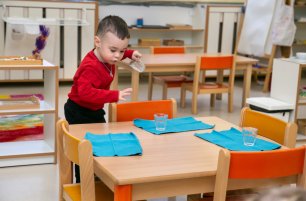
You may see your child doing all kinds of productive work at school and then it seems that they are a completely different child at home. Does this happen to you? Toys lying all around the house and maybe your child does not want to clean up, or perhaps you are stuck with a sink full of dishes after dinner with no offers to help. There are some simple adjustments and additions that can easily be made in your home which will help you and your family build a happier and more cooperative household.
Read more