Mones
Sorry, this article is only in Czech.
Sorry, this article is only in Czech.


“I wanted to secure the best possible education for my children”
Read more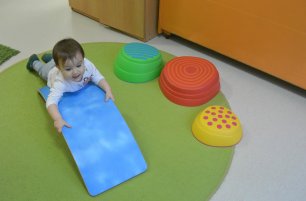
Parents today are constantly surrounded by images and ideas of what their children should or shouldn’t have and it can be overwhelming trying to decide what is best for their child’s development. Every parent wants to make good decisions when it comes to the items you choose to bring into your home, but how do we know which ones are more or less beneficial than others?
Read more
“The thing that IMSP really contributed the most to me would be developing my curiosity. Just, letting me as a kid explore my own world in my own way,“
Read more
Introducing our first guest on the IMSP podcast series: Caleb Miller. After graduating from IMSP, he moved back to the United States, finishing his university degree. Caleb and our host, Mariana, chat about independence in childhood, the benefits of multi-age classrooms, and what advice he has for current IMSP Elementary students. While reflecting on his time at IMSP, Caleb looks towards the future as he pursues a career with a global focus. “That's one thing that Montessori, our school, planted in me,” Caleb tells us, “the desire to engage with the world”.
Read more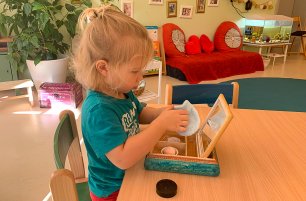
In Montessori education, we often speak about independence. Helping raise children into confident adults is a priority for all of us – but why is independence so important and how do we nurture it in even our youngest learners?
Read more