Mones
Sorry, this article is only in Czech.
Sorry, this article is only in Czech.


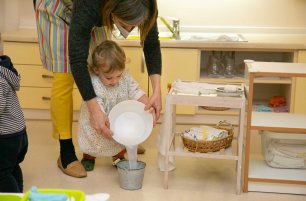
As teachers, we are often asked what special tips or tricks we use to get children to cooperate. Most often parents ask questions like “How can I get my child more interested in dressing and eating by themselves?”or “How can we make the mornings run more smoothly?” It can feel challenging when our patience is tested, but we must remember that children are learning to develop their own will and sense of obedience which is a natural process lasting until around six years of age.
Read more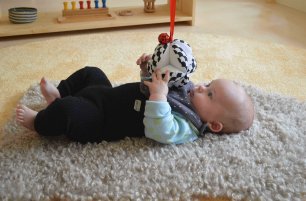
“The greatness of the human personality begins at the hour of birth.” Maria Montessori
Read more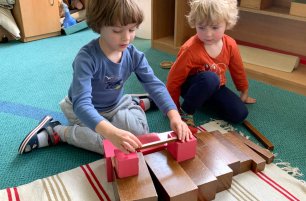
Have you ever noticed that your child enjoys singing the same song over and over again, or wants you to repeat the same story for what feels like a million times? Dr. Montessori highlighted the importance of sensitive periods in children, which are known as windows of opportunities for children to develop skills, including movement, language and most definitely, order. A child’s need for external order is present as early as childbirth and peaks in their second year, before fading at about the age of 5. This period of development helps a child to develop a connection between themselves and the world, process information and overcome challenges.
Read more
If you visit the Upper Elementary at IMSP on any school day in the late morning, you would hear a gentle bell ring at around 11:20. The students clean-up, and by 11:30, they gather on the classroom carpet and light a candle. A teacher sets a timer. At the sound of a bell, they begin their 5-minute awareness/mindfulness practice.
Read more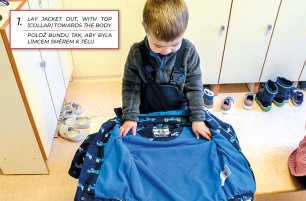
Toddlers are at a very sensitive age for physical independence. It is natural to want to take care of them, yet sometimes giving the freedom and space to do things by themselves is a gift that not only makes them happy, but also support their overall development, confidence and sense of self.
Read more