Mones
Sorry, this article is only in Czech.
Sorry, this article is only in Czech.


We have all had our fair share of complaining about the situation we have found ourselves in since last Spring, but in this article, I wanted to concentrate on the positives this has brought to us.
Read more
Every morning, with any luck, a very enthusiastic and volume‑charged toddler and I make the 45 min…
Read more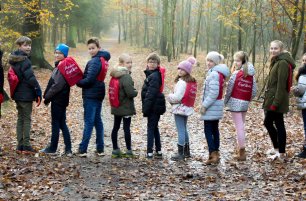
Maria Montessori used to walk through the forests in India pulling leaves from trees to teach about their function and structure, digging in the soil to demonstrate the ubiquitousness of life, examining root systems and connecting them to academic ideas.
Read more
An Essential Element of the Elementary Montessori Student Experience
Read more
Parents today are constantly surrounded by images and ideas of what their children should or shouldn’t have and it can be overwhelming trying to decide what is best for their child’s development. Every parent wants to make good decisions when it comes to the items you choose to bring into your home, but how do we know which ones are more or less beneficial than others?
Read more