Mones
Sorry, this article is only in Czech.
Sorry, this article is only in Czech.


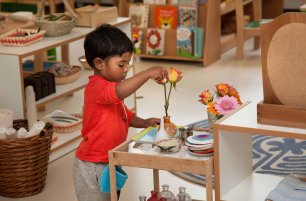
Radka Dohnalova, a parent of three IMSP children, has been researching the future of education in this world. She has summarized her findings in the article below, which was also recently published. Radka wanted to share the results with the IMSP community when her research revealed how Montessori education aligns with where the future of education is heading.
Read more
Please welcome this week’s guest to the IMSP podcast – Krishna Ramani!
Read more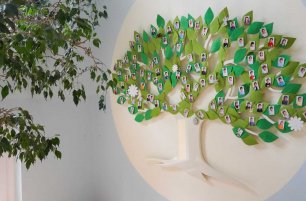
We're excited to celebrate 20 years since IMSP first opened its doors to the Prague community. Two decades spent working with parents, teachers, and staff that share our same passion for holistic education is something we’re proud of. The Montessori method is community-driven, and as we look back on our achievements so far, we want to take time to thank the people that made it all possible.
Read more
"My three words to describe IMSP are independence, fun, and curiosity!"
Read more
If you’re interested in kids activities or events happening in Prague during the coming weekend or through the year, check out the website of our partner - www.littlepanda.cz.
Read more