Mones
Sorry, this article is only in Czech.
Sorry, this article is only in Czech.


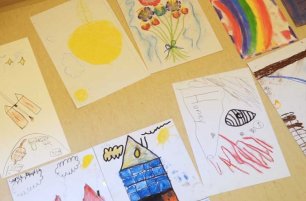
This spring, as part of our Values curriculum and Art Program, we invited TEDx speakers Garret Garrels and Tim Holmes to lead a workshop at IMSP for our Elementary classes.
Read more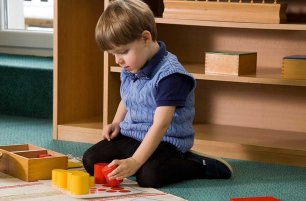
The materials in the Sensorial area of the Montessori classroom are quite unique – they speak to the tactile observer in all of us. When you consider the way humans take in information, you realize how often we use more than one sense to explore. Maria Montessori’s work in the Sensorial environment was designed to take advantage of this tendency. Today, I will discuss the materials featured in the Children’s House classroom (ages 3-6).
Read more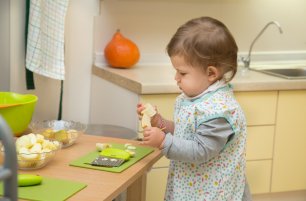
It is often said that “the family that eats together, stays together”. We would like to suggest taking it a step further – and encourage every family to cook together, too. In Montessori, we know that kitchen work provides a host of benefits to children, all the way from toddlers to adolescents; it is a part of the Practical Life curriculum as soon as children can walk! However, its advantages are in no way tied to the classroom and can be just as easily – if not more so – applied at home.
Read more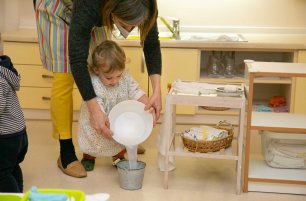
As teachers, we are often asked what special tips or tricks we use to get children to cooperate. Most often parents ask questions like “How can I get my child more interested in dressing and eating by themselves?”or “How can we make the mornings run more smoothly?” It can feel challenging when our patience is tested, but we must remember that children are learning to develop their own will and sense of obedience which is a natural process lasting until around six years of age.
Read more
If you visit the Upper Elementary at IMSP on any school day in the late morning, you would hear a gentle bell ring at around 11:20. The students clean-up, and by 11:30, they gather on the classroom carpet and light a candle. A teacher sets a timer. At the sound of a bell, they begin their 5-minute awareness/mindfulness practice.
Read more