Mones
Sorry, this article is only in Czech.
Sorry, this article is only in Czech.


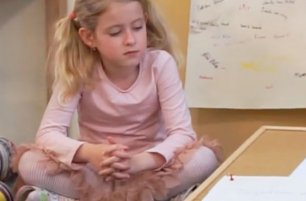
How do we encourage peacefulness and respect in the Montessori classroom? Together with the children, we prepare a blueprint for our classroom community!
Read more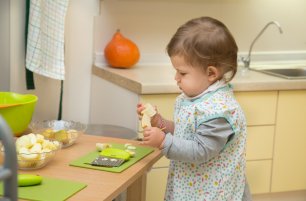
It is often said that “the family that eats together, stays together”. We would like to suggest taking it a step further – and encourage every family to cook together, too. In Montessori, we know that kitchen work provides a host of benefits to children, all the way from toddlers to adolescents; it is a part of the Practical Life curriculum as soon as children can walk! However, its advantages are in no way tied to the classroom and can be just as easily – if not more so – applied at home.
Read more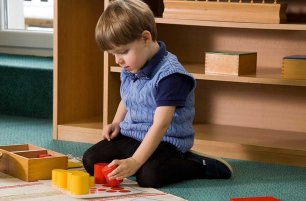
The materials in the Sensorial area of the Montessori classroom are quite unique – they speak to the tactile observer in all of us. When you consider the way humans take in information, you realize how often we use more than one sense to explore. Maria Montessori’s work in the Sensorial environment was designed to take advantage of this tendency. Today, I will discuss the materials featured in the Children’s House classroom (ages 3-6).
Read more
“I wanted to secure the best possible education for my children”
Read more
Tantrums and difficult transitions are two of the trickiest challenges parents face with toddlers. Even the most predictable schedules can sometimes lead to moments of overwhelm for your child, leaving you searching for ways to respond effectively. The good news is, with a little creativity and some gentle adjustments to your routine and environment, you can reduce these moments of frustration and help your toddler navigate them more smoothly.
Read more