Mones
Sorry, this article is only in Czech.
Sorry, this article is only in Czech.


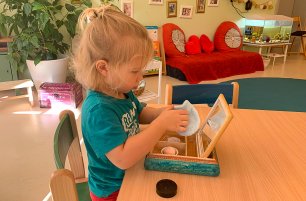
In Montessori education, we often speak about independence. Helping raise children into confident adults is a priority for all of us – but why is independence so important and how do we nurture it in even our youngest learners?
Read more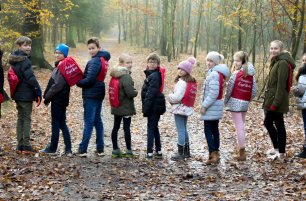
Maria Montessori used to walk through the forests in India pulling leaves from trees to teach about their function and structure, digging in the soil to demonstrate the ubiquitousness of life, examining root systems and connecting them to academic ideas.
Read more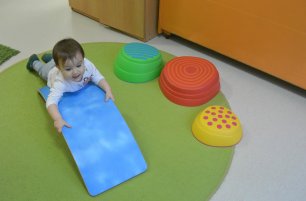
Parents today are constantly surrounded by images and ideas of what their children should or shouldn’t have and it can be overwhelming trying to decide what is best for their child’s development. Every parent wants to make good decisions when it comes to the items you choose to bring into your home, but how do we know which ones are more or less beneficial than others?
Read more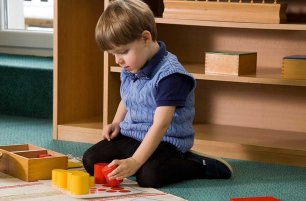
The materials in the Sensorial area of the Montessori classroom are quite unique – they speak to the tactile observer in all of us. When you consider the way humans take in information, you realize how often we use more than one sense to explore. Maria Montessori’s work in the Sensorial environment was designed to take advantage of this tendency. Today, I will discuss the materials featured in the Children’s House classroom (ages 3-6).
Read more
“At IMSP, we were always taught how to speak to people, to be mindful, to listen to one another, and that really helped when it came to making new friends. Once you have friends, everything else is simple. Everything else, you can figure out.
Read more