Mones
Sorry, this article is only in Czech.
Sorry, this article is only in Czech.


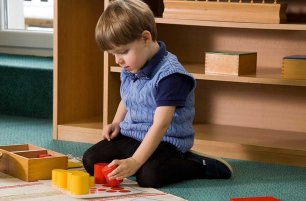
The materials in the Sensorial area of the Montessori classroom are quite unique – they speak to the tactile observer in all of us. When you consider the way humans take in information, you realize how often we use more than one sense to explore. Maria Montessori’s work in the Sensorial environment was designed to take advantage of this tendency. Today, I will discuss the materials featured in the Children’s House classroom (ages 3-6).
Read more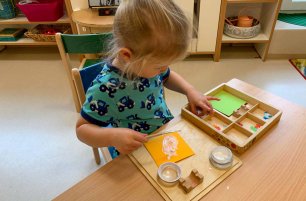
It has always been my priority to bring my kids up to be independent and curious and to treat them as my equal, if somewhat smaller in size; Montessori education therefore held a great appeal when it came to choosing a kindergarten. It has been six months since my daughter, who is just about to turn three, started attending IMSP and it is a joy and a privilege to observe how she thrives and develops.
Read more
"My three words to describe IMSP are independence, fun, and curiosity!"
Read more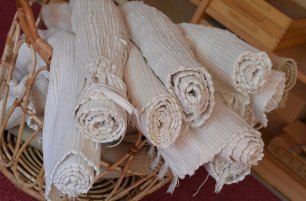
There are a few things typical to Montessori classrooms worldwide that might give the casual observer a pause. Picture it: you walk into a beautiful Casa environment, full of children working, many of them on mats rolled out on the floor. The students moving through the room know to step between mats, never on them. Of course, in the beginning of the school year it took many presentations, repetitions and reminders to instill this routine in the students.
Read more
Introducing our first guest on the IMSP podcast series: Caleb Miller. After graduating from IMSP, he moved back to the United States, finishing his university degree. Caleb and our host, Mariana, chat about independence in childhood, the benefits of multi-age classrooms, and what advice he has for current IMSP Elementary students. While reflecting on his time at IMSP, Caleb looks towards the future as he pursues a career with a global focus. “That's one thing that Montessori, our school, planted in me,” Caleb tells us, “the desire to engage with the world”.
Read more