Mones
Sorry, this article is only in Czech.
Sorry, this article is only in Czech.


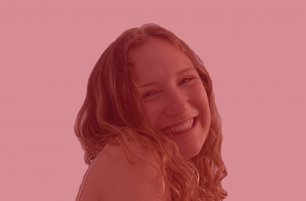
It’s our pleasure to introduce you to this week’s guest on the IMSP podcast series: Diana Peštová. Born and raised in the Czech Republic, Diana now studies language and culture at the University of Amsterdam. Diana catches up with our host, Mariana, as she reflects on how IMSP helped her to think outside of the box. Passionate about writing, singing, and acting, Diana shares how Montessori education allowed her to explore her interests at her own pace.
Read more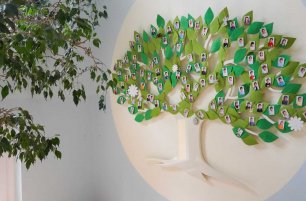
We're excited to celebrate 20 years since IMSP first opened its doors to the Prague community. Two decades spent working with parents, teachers, and staff that share our same passion for holistic education is something we’re proud of. The Montessori method is community-driven, and as we look back on our achievements so far, we want to take time to thank the people that made it all possible.
Read more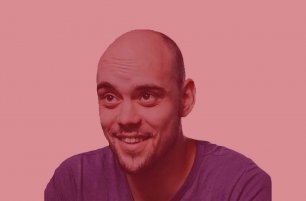
Join us as our host, Mariana Bečková, interviews Hubert Kobr on this week’s edition of the IMSP alumni podcast. Born in the Czech Republic, Hubert attended IMSP until beginning an IB program in a traditional Czech school. Discussing his education after Montessori, he shares how IMSP’s English-language curriculum prepared him to take on such a rigorous academic plan.
Read more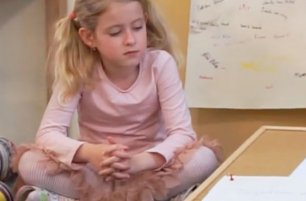
How do we encourage peacefulness and respect in the Montessori classroom? Together with the children, we prepare a blueprint for our classroom community!
Read more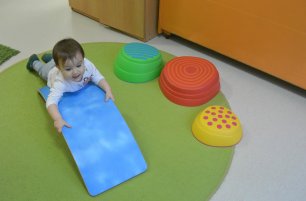
Parents today are constantly surrounded by images and ideas of what their children should or shouldn’t have and it can be overwhelming trying to decide what is best for their child’s development. Every parent wants to make good decisions when it comes to the items you choose to bring into your home, but how do we know which ones are more or less beneficial than others?
Read more