Mones
Sorry, this article is only in Czech.
Sorry, this article is only in Czech.


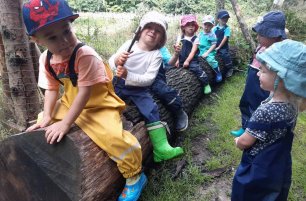
At IMSP we are fortunate enough to have access to a forest right on our doorstep. This offers invaluable opportunities for our toddlers to explore the natural world with the support of their guides. Interaction with the natural environment provides mental and physical health benefits for children and adults alike and allows children to be inspired by the world around them, away from their usual home or classroom environments.
Read more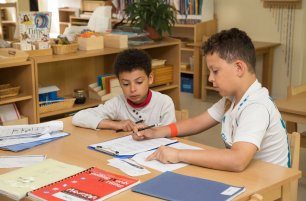
It is no surprise to hear parents expressing doubts about a multi-age classroom, and questioning how children of different ages could work together harmoniously in the same environment, and if there are any benefits to this approach.
Read more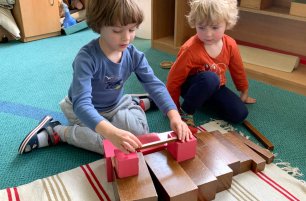
Have you ever noticed that your child enjoys singing the same song over and over again, or wants you to repeat the same story for what feels like a million times? Dr. Montessori highlighted the importance of sensitive periods in children, which are known as windows of opportunities for children to develop skills, including movement, language and most definitely, order. A child’s need for external order is present as early as childbirth and peaks in their second year, before fading at about the age of 5. This period of development helps a child to develop a connection between themselves and the world, process information and overcome challenges.
Read more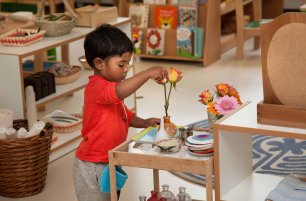
Radka Dohnalova, a parent of three IMSP children, has been researching the future of education in this world. She has summarized her findings in the article below, which was also recently published. Radka wanted to share the results with the IMSP community when her research revealed how Montessori education aligns with where the future of education is heading.
Read more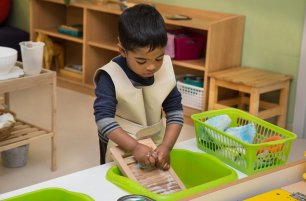
“The first thing to realize about these exercises of practical life is that their aim is not a practical one. Emphasis should be laid not on the word “practical” but on the word life. Their aim is to assist development.” E. M. Standing, Maria Montessori: Her Life and Work
Read more