Mones
Sorry, this article is only in Czech.
Sorry, this article is only in Czech.


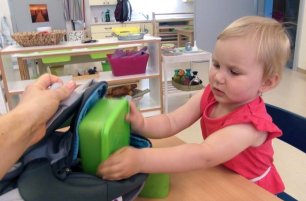
Summer is the perfect time for trips and outings. A backpack of their very own is a great gift for an older toddler or a pre-schooler: It builds their independence and confidence as they actively participate in preparing for each trip, and then carry their necessities by themselves.
Read more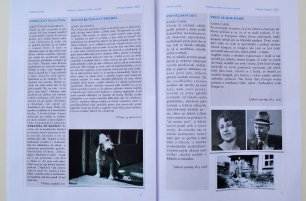
Introducing IMSP’s LIDOVÉ NOVINY, a Czech-language newspaper written, edited, and assembled by our Upper Elementary students. This project was inspired by renowned Czech writer Karel Čapek. Čapek, best known for inventing the word „robot“, was beloved for his versatile and multi-genre pieces. Bouncing between modern fairytales, short stories, travel-logs, and biographical work, Čapek also had a particular affinity for the feuilleton, a short newspaper essay designed, not only to inform the reader, but to amuse them as well.
Read more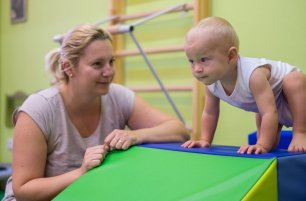

Join us as our host, Mariana Bečková, interviews Hubert Kobr on this week’s edition of the IMSP alumni podcast. Born in the Czech Republic, Hubert attended IMSP until beginning an IB program in a traditional Czech school. Discussing his education after Montessori, he shares how IMSP’s English-language curriculum prepared him to take on such a rigorous academic plan.
Read more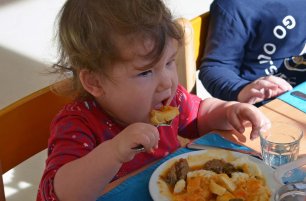
Who doesn’t love a dinner date? There is something so universally appealing about sharing a meal with your loved one: eating delicious foods whilst engaging in conversation and enjoying each other’s company.
Read more