Mones
Sorry, this article is only in Czech.
Sorry, this article is only in Czech.


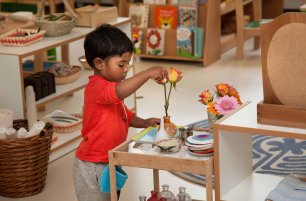
Radka Dohnalova, a parent of three IMSP children, has been researching the future of education in this world. She has summarized her findings in the article below, which was also recently published. Radka wanted to share the results with the IMSP community when her research revealed how Montessori education aligns with where the future of education is heading.
Read more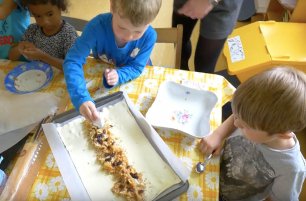
Food Preparation activities are very popular in a Montessori classroom. Not only do children enjoy eating food they’ve prepared themselves, but they learn skills throughout the process.
Read more
Introducing one of our Primary teachers, Ms. Lisa from Western Australia, who has been with IMSP since 2017. Since coming to Prague she has furthered her love of work in early childhood education and completed an AMS (American Montessori Society) Early Childhood (ages 3-6) Teacher Certification. Read more about Lisa in an interview with IMSP here:
Read more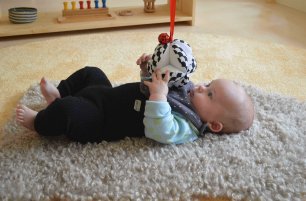
“The greatness of the human personality begins at the hour of birth.” Maria Montessori
Read more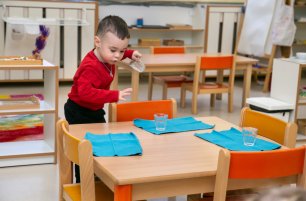
You may see your child doing all kinds of productive work at school and then it seems that they are a completely different child at home. Does this happen to you? Toys lying all around the house and maybe your child does not want to clean up, or perhaps you are stuck with a sink full of dishes after dinner with no offers to help. There are some simple adjustments and additions that can easily be made in your home which will help you and your family build a happier and more cooperative household.
Read more