Mones
Sorry, this article is only in Czech.
Sorry, this article is only in Czech.


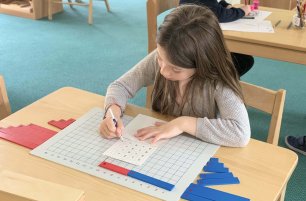
Maria Montessori often stated that not only does every human being have an innate drive to understand the environment around them, we all also naturally have what she called a “Mathematical Mind”. In the Montessori classroom, mathematical learning begins through indirect preparation long before a child is ever introduced to any Math materials.
Read more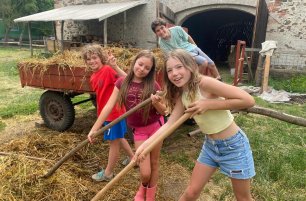
An Essential Element of the Elementary Montessori Student Experience
Read more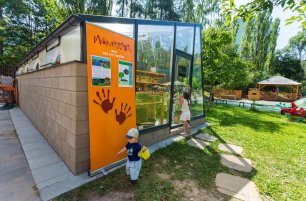
We are thrilled to announce that IMSP has officially joined the Roots & Shoots program in Czechia! This exciting collaboration, led by our dedicated team member, Irena Andělová, marks a significant new chapter in our school’s commitment to nurturing confident, compassionate, and engaged global citizens.
Read more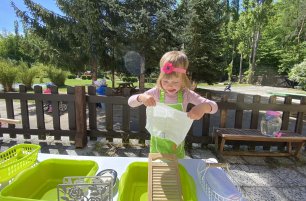
Toddlers need hands-on experience with life skills in real purposeful ways.
Read more
Join us as our host, Mariana Bečková, interviews Anna Šlégrová on this week’s edition of the IMSP alumni podcast. Reflecting on what made her Montessori experience stand out, Anna stresses IMSP’s personal touch. Teachers, Mariana and Anna share, take time to get to know their students, encouraging them to pursue their passions. Now studying at the University of Bath, Anna shares how growing up in IMSP’s international environment empowered her to pursue higher education abroad.
Read more