Mones
Sorry, this article is only in Czech.
Sorry, this article is only in Czech.


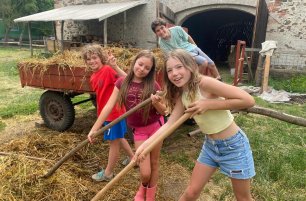
An Essential Element of the Elementary Montessori Student Experience
Read more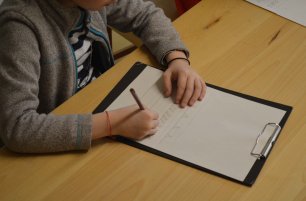
It can be an exciting time when your child begins to read and write their first words. They are at the dawn of an exhilarating literacy journey that will open their eyes to a world of books, knowledge, and wonder!
Read more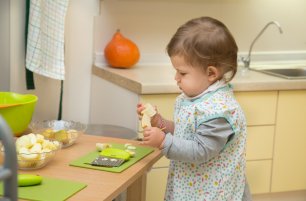
It is often said that “the family that eats together, stays together”. We would like to suggest taking it a step further – and encourage every family to cook together, too. In Montessori, we know that kitchen work provides a host of benefits to children, all the way from toddlers to adolescents; it is a part of the Practical Life curriculum as soon as children can walk! However, its advantages are in no way tied to the classroom and can be just as easily – if not more so – applied at home.
Read more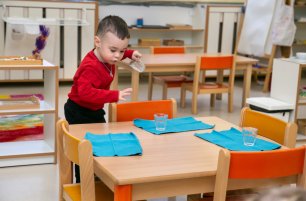
You may see your child doing all kinds of productive work at school and then it seems that they are a completely different child at home. Does this happen to you? Toys lying all around the house and maybe your child does not want to clean up, or perhaps you are stuck with a sink full of dishes after dinner with no offers to help. There are some simple adjustments and additions that can easily be made in your home which will help you and your family build a happier and more cooperative household.
Read more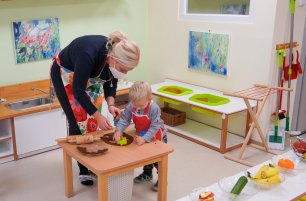
We know that when schools are closed and children are at home for the holidays, it can sometimes be a challenge to come up with new, interesting ideas of things to do with your toddler. Here we have compiled a list of our three favorite winter-themed activities that consist of simple steps and only require materials that you probably already have around the house.
Read more