Mones
Sorry, this article is only in Czech.
Sorry, this article is only in Czech.


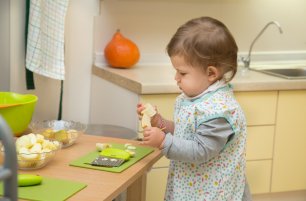
It is often said that “the family that eats together, stays together”. We would like to suggest taking it a step further – and encourage every family to cook together, too. In Montessori, we know that kitchen work provides a host of benefits to children, all the way from toddlers to adolescents; it is a part of the Practical Life curriculum as soon as children can walk! However, its advantages are in no way tied to the classroom and can be just as easily – if not more so – applied at home.
Read more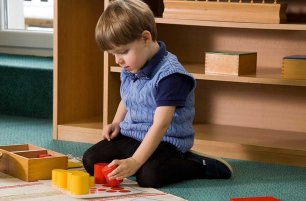
The materials in the Sensorial area of the Montessori classroom are quite unique – they speak to the tactile observer in all of us. When you consider the way humans take in information, you realize how often we use more than one sense to explore. Maria Montessori’s work in the Sensorial environment was designed to take advantage of this tendency. Today, I will discuss the materials featured in the Children’s House classroom (ages 3-6).
Read more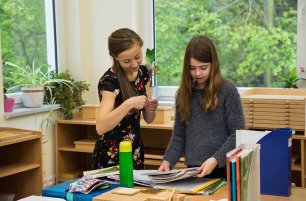
The fundamental aim of Montessori education is to help children become fully-fledged citizens of the world. How do we achieve something so monumental?
Read more
“At IMSP, we were always taught how to speak to people, to be mindful, to listen to one another, and that really helped when it came to making new friends. Once you have friends, everything else is simple. Everything else, you can figure out.
Read more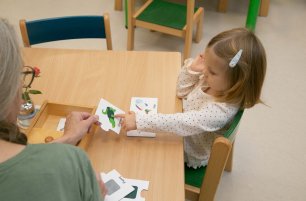
“Life can become much easier, simply by changing the words that we use” - Alicia Eaton, AMI Montessori Teacher and Child behavioral specialist
Read more