Mones
Sorry, this article is only in Czech.
Sorry, this article is only in Czech.


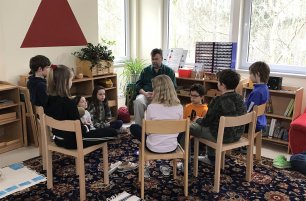
If you visit the Upper Elementary at IMSP on any school day in the late morning, you would hear a gentle bell ring at around 11:20. The students clean-up, and by 11:30, they gather on the classroom carpet and light a candle. A teacher sets a timer. At the sound of a bell, they begin their 5-minute awareness/mindfulness practice.
Read more
Join us as our host, Mariana Bečková, interviews Anna Šlégrová on this week’s edition of the IMSP alumni podcast. Reflecting on what made her Montessori experience stand out, Anna stresses IMSP’s personal touch. Teachers, Mariana and Anna share, take time to get to know their students, encouraging them to pursue their passions. Now studying at the University of Bath, Anna shares how growing up in IMSP’s international environment empowered her to pursue higher education abroad.
Read more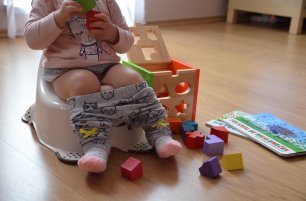
How to handle toilet training? It’s often considered one of the first big parenting “tasks,” and can bring a lot of anxiety and frustration. But it doesn’t have to! In Montessori Infant and Toddler classrooms, we use a time-tested and practical approach to toilet training that is (dare I say it) easy on both parents and children.
Read more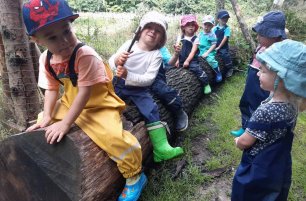
At IMSP we are fortunate enough to have access to a forest right on our doorstep. This offers invaluable opportunities for our toddlers to explore the natural world with the support of their guides. Interaction with the natural environment provides mental and physical health benefits for children and adults alike and allows children to be inspired by the world around them, away from their usual home or classroom environments.
Read more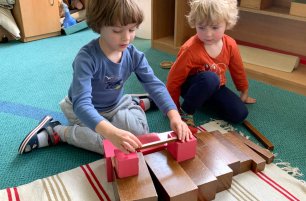
Have you ever noticed that your child enjoys singing the same song over and over again, or wants you to repeat the same story for what feels like a million times? Dr. Montessori highlighted the importance of sensitive periods in children, which are known as windows of opportunities for children to develop skills, including movement, language and most definitely, order. A child’s need for external order is present as early as childbirth and peaks in their second year, before fading at about the age of 5. This period of development helps a child to develop a connection between themselves and the world, process information and overcome challenges.
Read more